

Translation in english available at the bottom
Un nuevo capítulo se escribió para Airbus este 19 de julio, 2024 con la entrega del Certificado de tipo para su nuevo modelo Airbus A321LXR firmado por la Agencia de Seguridad Aérea de la Unión Europea (EASA). La primera aerolínea en operarlo será Iberia quien a fines del verano lo utilizaría en vuelos desde Madrid a Boston.

Florian Guillermet, Director Ejecutivo de EASA, entrega el Certificado de Tipo del Airbus A321XLR a Isabelle Bloy, Ingeniera Jefe del Airbus A321XLR.
El prototipo del A321XLR, con matrícula F-WXLR, volo por primera vez el 15 de junio,2022 seguido por el F-WWBZ y luego el F-WWAB. Este último participo en la edición 2023 del Salón Internacional de la Aeronáutica y el Espacio de París-Le Bourget.


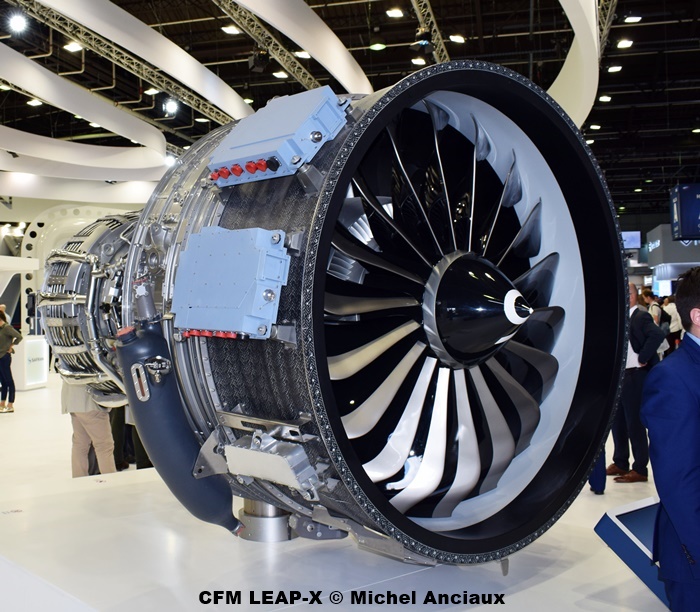
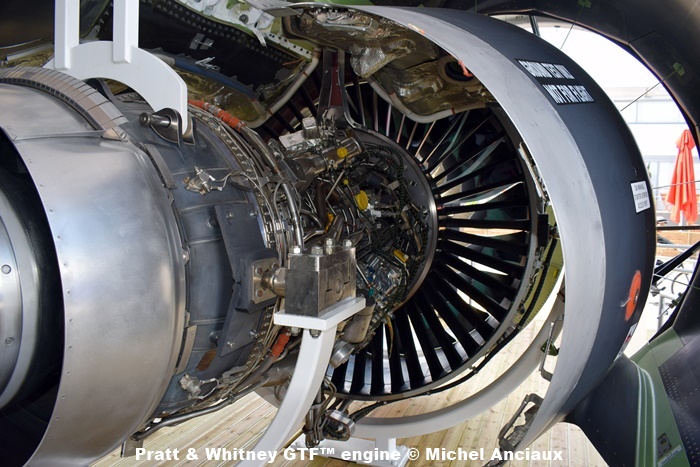
La version que ha sido certificada esta propulsada con los motores CFM LEAP-1. En cuanto a la version con los motores Pratt & Whitney PW1100G, esta recibiría su certificación a fines del año 2024.


El programa de desarrollo de este avión de pasillo único y con capacidad de vuelos de largas distancias necesitó 5 años de estudios y desarrollo y un año de retraso en los planes iniciales.
Esto se debe a las modificaciones de diseño que presentó las autoridades americanas y europeas de certificación. Esto podría afectar el alcance de este modelo uno de su principal argumento de venta, igual si es en una proporción reducida.
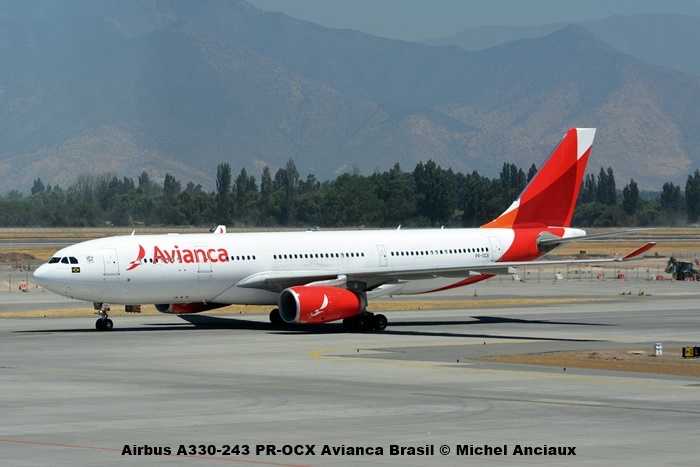
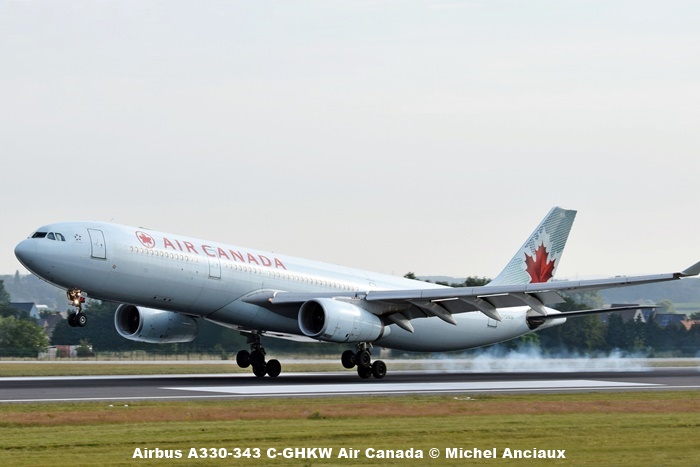
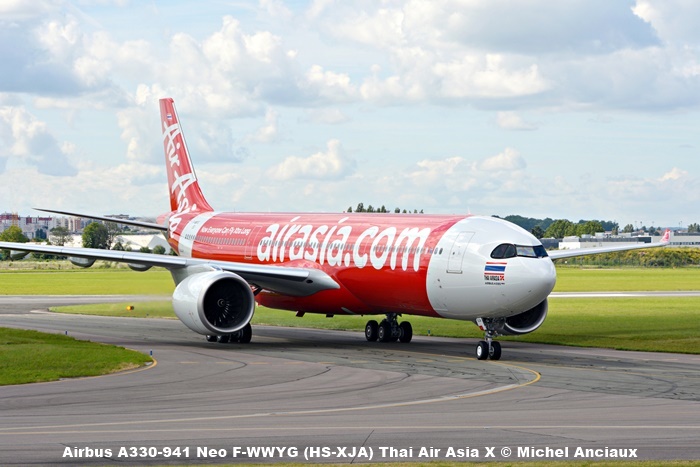
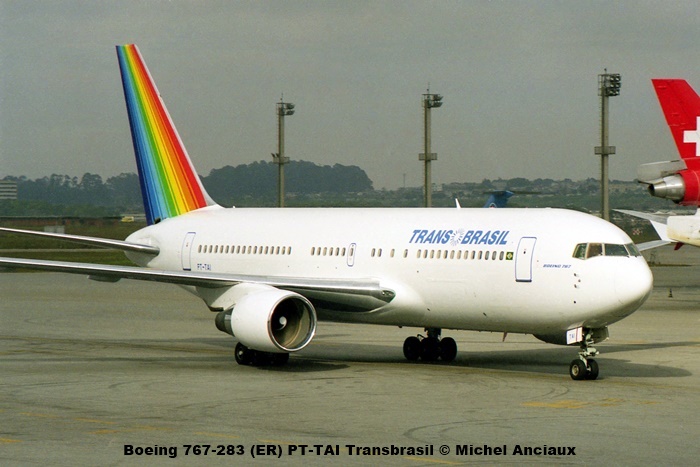
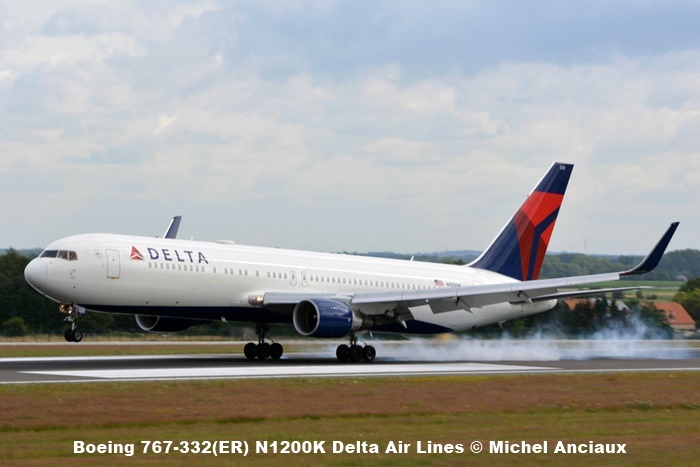
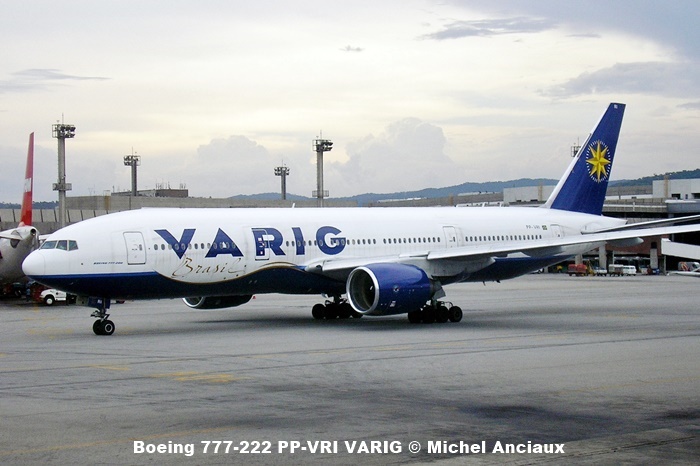
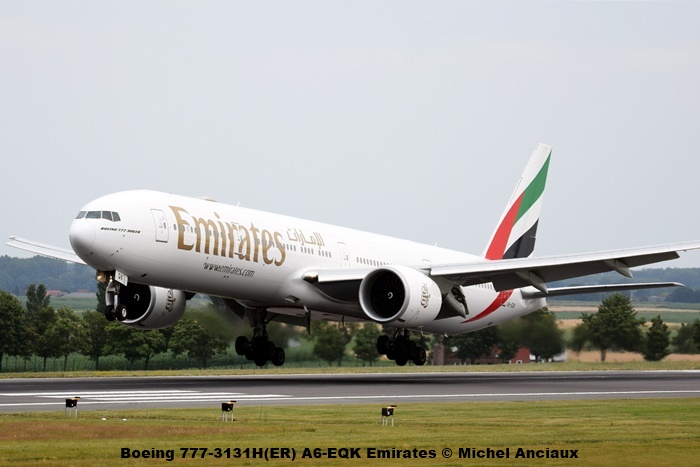
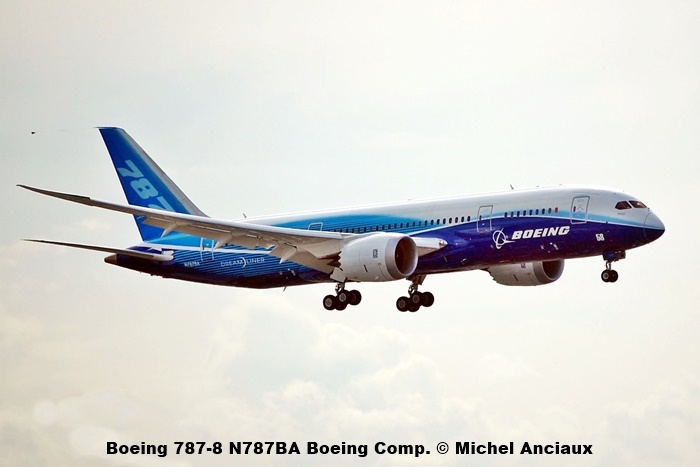
La clave principal es que permite a las líneas aéreas operar con un avion de pasillo único rutas de largos alcance que hasta el día de hoy solía ser reservadas a aviones de grandes capacidades tipos Airbus A330 o A350, Boeing 767,777 y 787.
Airbus A330



Airbus A350


Boeing 767


Boeing 777


Boeing 787
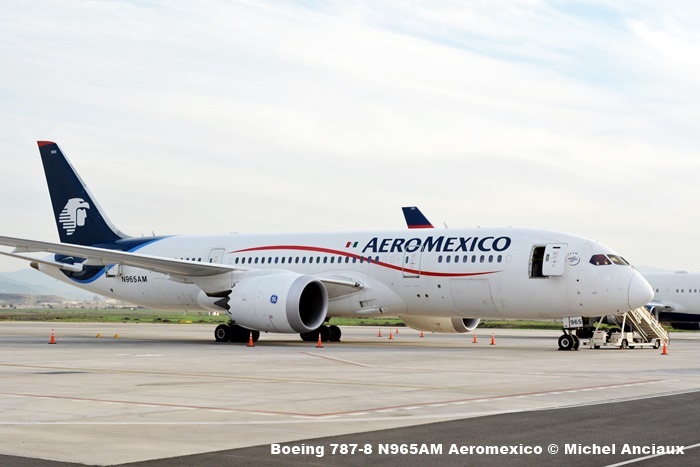


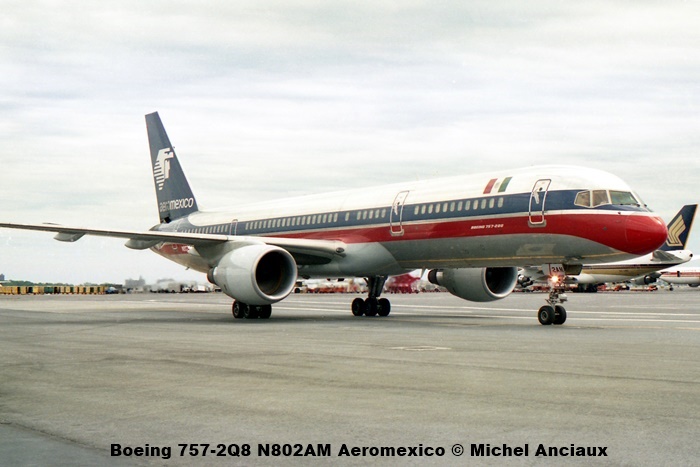
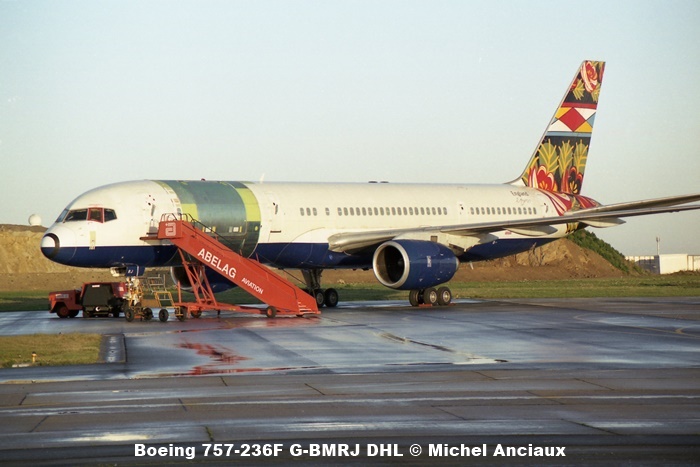
No olvidemos que hasta hace unos pocos años, el Boeing 757 de pasillo único era el único representante en esta categoría, pero son bien pocos los modelos aun operando vuelos con pasajeros. La mayoría siendo retirado del servicio o convertidos en cargueros.


Los pedidos para el A321XLR suman más de 550 modelos, con 70 por parte de la línea aérea de bajo costo IndiGo operando vuelos desde su base en el Aeropuerto Internacional Indira Gandhi de Delhi,
las 2 aerolíneas americanas American Airlines y United con 50 unidades cada una; y en America latina, se destacó Sky Airline, la línea aérea de bajo costo operando en Chili, Perú y Ecuador, para un pedido de 10 A321XLR con motores Pratt & Whitney.

Las modificaciones exigidas por las autoridades de certificación consistían en las siguientes:
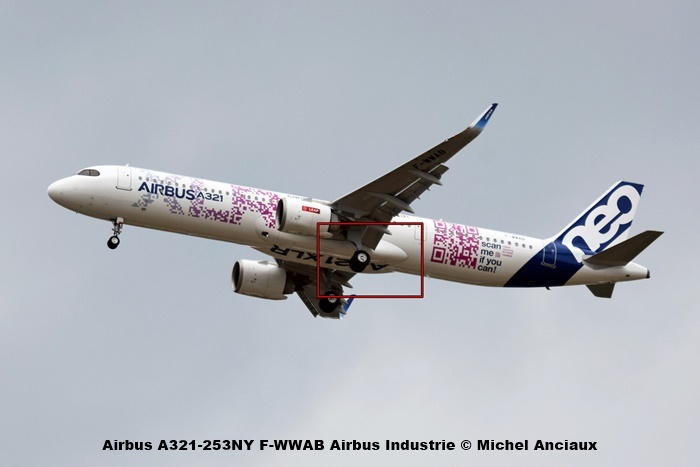
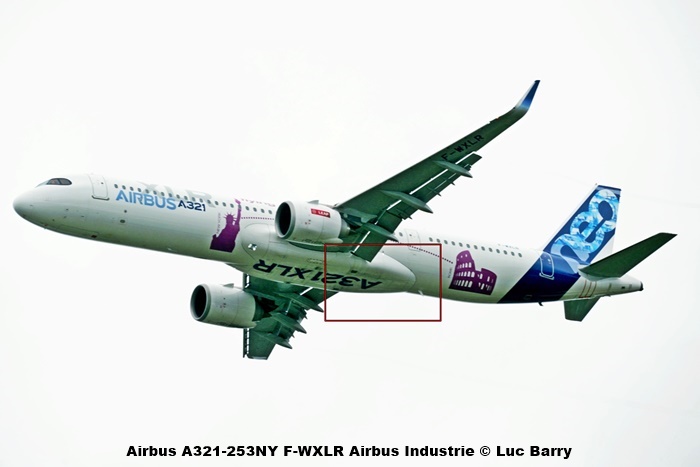
al inicio del proyecto y para aumentar el alcance de su version XLR, Airbus había instalado en la zona del fuselaje, pero detrás de las alas, un estanque adicional de combustible con capacidad de 12.900 litros.
Para conformar con las exigencias de cumplimiento de seguridad en caso de aterrizaje forzoso sin tren de aterrizaje, fue necesario extender el carenaje de la panza del avión para poder cubrir de forma completa el estanque central y así fortalecer la estructura de la zona. También fue necesario agregar una capa protectora especial al estanque de combustible.
Pero esto no fue sin penalidades para el alcance que se vio reducido de entre 93 km y 167 km (50 a 90 millas náuticas) en el alcance original de 8.700 km (4.700 millas). Otras fuentes predican una reducción de unos 370 km (200 millas). Por su parte, los datos de especificaciones muestran un alcance de 11 horas de vuelo.
La llegada del A321XLR significará un cambio en el mercado gracias a sus costos de operaciones y emisiones de CO2 reducidos. Permitirá también operar un avion con capacidad para entre 172 y 244 pasajeros en rutas de largo alcanza, pero con flujo reducido de viajeros Con un consumo de combustible por asiento que será 30% inferior al de los aviones de generación anterior y estimado en la mitad del costo de operación para un vuelo en aviones de fuselaje ancho y de última generación.
Por el momento no existe intenciones, por parte de la Boeing, en desarrollar un modelo susceptible de competir con el A321XLR en el mismo segmento.
Es de esperar que Farnborough 2024 demostrará, con cifras de compras consecuentes, el éxito del nuevo producto Airbus.
Michel Anciaux
Base de datos
https://www.usinenouvelle.com/article/le-nouvel-airbus-a321xlr-officiellement-certifie-par-l-agence-europeenne-de-la-securite-aerienne.N2216423
https://www.usinenouvelle.com/article/pourquoi-airbus-a-eu-du-fil-a-retordre-pour-certifier-l-a321xlr-le-nouveau-couteau-suisse-des-long-courriers.N2214372
https://www.usinenouvelle.com/article/pourquoi-la-mise-en-service-de-l-airbus-a321xlr-est-repoussee.N2001347
https://www.ledauphine.com/transport/2024/07/19/nouvel-airbus-a321-xlr-pourquoi-va-t-il-boulverser-le-marche-des-long-couriers
https://air-cosmos.com/article/l-aesa-certifie-l-airbus-a321xlr-equipe-du-moteur-leap-69127
https://www.preferente.com/rss1/hito-de-airbus-el-a321xlr-recibe-luz-verde-para-operar-en-europa-338146.html
https://aviacionaldia.com/2023/07/modificaciones-en-el-diseno-del-airbus-a321xlr-podrian-afectar-su-alcance.html
https://www.aeroermo.com/home/chilena-sky-compra-10-a321xlr-para-ampliar-su-presencia-internacional/
A new chapter was written for Airbus on July 19, 2024
A new chapter was written for Airbus on July 19, 2024 with the delivery of the Type Certificate for its new Airbus A321LXR model, signed by the European Union Aviation Safety Agency (EASA). The first airline to operate it will be Iberia, which will use it on flights from Madrid to Boston at the end of the summer.
The A321XLR prototype, registered F-WXLR, first flew on June 15, 2022, followed by F-WWBZ and then F-WWAB. The latter participated in the 2023 edition of the Paris-Le Bourget International Air and Space Show.
The certified version is powered by CFM LEAP-1 engines. As for the version with Pratt & Whitney PW1100G engines, it is expected to receive its certification at the end of 2024.
The development program for this single-aisle, long-haul aircraft required 5 years of study and development and a one-year delay in the initial plans.
This is due to design modifications submitted by the American and European certification authorities. This could affect the range of this model, one of its main selling points, even if only to a reduced extent.
The key is that it allows airlines to operate long-range routes with a single-aisle aircraft that until now used to be reserved for large-capacity aircraft such as the Airbus A330 or A350, Boeing 767, 777 and 787.
Let us not forget that until a few years ago, the single-aisle Boeing 757 was the only representative in this category, but there are very few models still operating passenger flights. Most are being retired from service or converted into freighters.
Orders for the A321XLR total more than 550 models, with 70 by the low-cost airline IndiGo operating flights from its base at Indira Gandhi International Airport in Delhi, the two American airlines American Airlines and United with 50 units each; and in Latin America, Sky Airline, the low-cost airline operating in Chile, Peru and Ecuador, stood out for an order for 10 A321XLRs with Pratt & Whitney engines.
The modifications required by the certification authorities were as follows:
At the start of the project and to increase the range of its XLR version, Airbus had installed an additional fuel tank with a capacity of 12,900 litres in the fuselage area, but behind the wings.
To meet the safety requirements for a crash landing without landing gear, the aircraft’s belly fairing had to be extended to completely cover the central tank and thus strengthen the structure of the area. A special protective layer had to be added to the fuel tank as well.
But this was not without its drawbacks for the range, which was reduced from 93 km to 167 km (50 to 90 nautical miles) in the original range of 8,700 km (4,700 miles). Other sources predict a reduction of about 370 km (200 miles). Meanwhile, specification data shows a range of 11 hours of flight time.
The arrival of the A321XLR will mean a change in the market thanks to its reduced operating costs and CO2 emissions. It will also allow the operation of an aircraft with a capacity of between 172 and 244 passengers on long-haul routes, but with reduced passenger flow, with a fuel consumption per seat that will be 30% lower than that of previous generation aircraft and estimated at half the operating cost for a flight on wide-body and latest generation aircraft.
At the moment there are no intentions on the part of Boeing to develop a model capable of competing with the A321XLR in the same segment.
It is expected that Farnborough 2024 will demonstrate, with consistent purchasing figures, the success of the new Airbus product.
 Aviation Rainbows
Estimado don Michel
Muy interesante lo referido a este nuevo modelo de A321. Atrás quedaron los tiempos en que se temía a que los birreactores fueran autorizados a cruzar rutas oceánicas y sufrieran una falla en un motor.-
Cuadri y tri reactores si, birreactores no se decía.-
Muy agradecido
Sergio Barriga Kreft
Me gustaLe gusta a 1 persona